
Tattooing is a rich form of personal expression, blending historical customs with contemporary artistic movements. Across studios in Australia, body art has evolved into a sophisticated discipline, requiring strict adherence to health regulations and technical proficiency.
Understanding the diverse categories of body modification can help enthusiasts appreciate the craft, respect cultural origins, and select an aesthetic that truly aligns with their individual vision.
Major Design Categories
The modern tattooing landscape encompasses a vast array of techniques, each distinguished by line weight, shading application, and visual philosophy.
Artists frequently specialise in specific methods to master the intricate nuances involved.
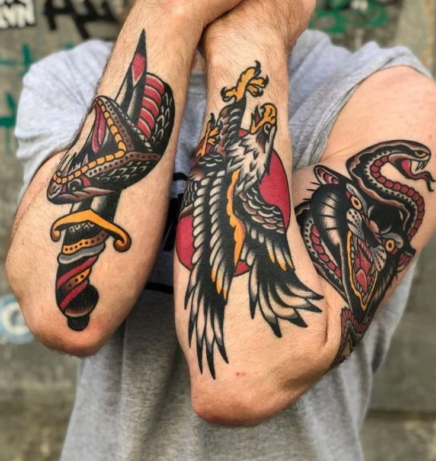
- Traditional and Neo-Traditional: Often characterised by bold black outlines, vibrant palettes, and iconic motifs like panthers, roses, and nautical symbols, traditional styles have deep historical roots. Neo-traditional variations expand this foundation with broader colour ranges, illustrative dimensions, and subtle modern influences while maintaining structural integrity.
- Realism: This approach focuses on replicating photographic images, wildlife, or life-like portraits onto the human canvas. It relies heavily on smooth gradients, depth, and contrast rather than hard outlines, demanding exceptional artistic skill and understanding of human anatomy from the practitioner.
- Fine Line Work: Emphasising delicate, thin lines and minimalist compositions, this style has surged in popularity for its elegance and subtlety. For those looking to master this precision-heavy craft, professional training options such as a fine line tattoo course provide structured guidance on needle control, stability, and skin mechanics.
- Blackwork and Tribal: Utilising heavy concentrations of black ink, these pieces range from ancient cultural patterns to modern geometric designs and expansive solid black silhouetting. They require absolute precision to ensure saturated, even coverage across different skin textures.
- Japanese (Irezumi): Rooted in centuries of folklore and tradition, these large-scale compositions weave together seamless backgrounds of wind, water, and cherry blossoms connecting mythical creatures, dragons, and historical figures into a unified bodysuit narrative.
- Watercolor and Abstract: Simulating the fluid, untamed appearance of paint splatters and brushstrokes, watercolor tattoos abandon traditional outlines entirely. They feature vibrant color bleeds, softer edges, and expressive splashes that mimic fine art canvases.
Technical Mastery and Skin Adaptation
Executing these diverse styles requires immense technical versatility. Different skin types, tones, and elasticity react uniquely to machine voltage, needle configurations, and pigment deposition.
Practitioners must carefully adapt their hand speed and depth to prevent blowouts or premature fading.
Furthermore, ongoing education ensures that artists remain updated on ergonomic advancements, pigment chemistry, and machine engineering, ultimately elevating the standard of studio work nationwide.
Safety and Professional Standards
Regardless of the chosen style, health and safety remain paramount during any skin penetration procedure.
Regulatory bodies emphasise that patrons should always verify that studios operate with licensed premises, sterile equipment, and proper infection control competencies.
For further official guidance on preparation and regulatory compliance, refer to the Queensland Government Health Guidelines.
To dive deeper into the historical roots and visual evolution of body modification cultures around the world, you can also watch this informative Fascinating History of Tattoos Mini-Documentary.