
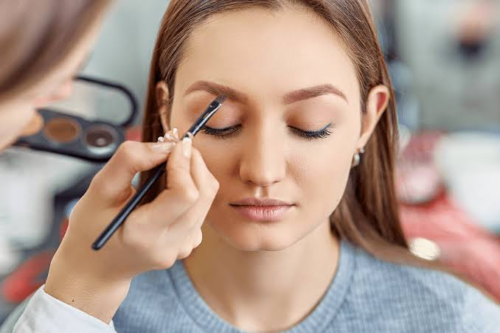
The Australian beauty sector has undergone a profound structural shift over recent years, transforming from a vocational afterthought into a sophisticated, highly regulated industry defined by precision science, advanced technology, and artistic mastery.
Contemporary beauty courses are no longer merely about basic makeup application or generalized skincare routines; they represent rigorous academic and practical programs designed to cultivate advanced technical acumen, commercial entrepreneurship, and strict clinical hygiene standards.
As client expectations rise globally—driven by digital inspiration, social media scrutiny, and specialized aesthetic demands—professional education has evolved rapidly to equip practitioners with competitive, future-proof capabilities.
The Economic Power of Micro-Specialisation
Central to this modern transformation is the recognition that professional specialisation commands significantly higher market value.
While generalist qualifications provide a solid foundational understanding of general anatomy and client consultation, contemporary practitioners frequently accelerate their career trajectories by targeting high-demand micro-skills.
Among these specialized disciplines, specialised eyelash technician training has emerged as a premier pathway for aspiring beauty entrepreneurs seeking independent business success or immediate, high-earning salon integration.
These focused accreditations blend meticulous manual dexterity with rigorous chemical safety knowledge, ensuring that practitioners can deliver exceptional, long-lasting aesthetic results without compromising ocular health or natural lash integrity.
Core Structural Pillars of Elite Programs
To understand the true breadth and depth required in contemporary beauty education, we must examine the core structural pillars that distinguish elite training organisations from outdated, traditional vocational models.
The modern curriculum is characterized by several critical components:
1. Advanced Anatomical and Dermatological Theory: Students dive deep into cellular skin structures, hair growth cycles, and complex ocular anatomy. Understanding these biological foundations prevents adverse reactions and allows professionals to customize treatments precisely to individual client physiology.
2. Rigorous Infection Control and Sanitisation: Compliance with national health standards is non-negotiable in modern practice. Courses emphasize clinical-grade sterilisation protocols, cross-contamination prevention, and safe biomedical waste disposal practices that safeguard both practitioner and patron.
3. Product Chemistry and Material Safety: From adhesive polymers in advanced lash extensions to active chemical agents in epidermal resurfacing peels, professionals master the chemical composition of every substance applied during treatments to guarantee absolute safety and product efficacy.
4. Precision Technique and Ergonomic Mastery: Mastery requires more than artistic vision; it demands physical stamina and proper posture. Training modules incorporate ergonomic alignment, magnification usage, and steady-hand mechanics to ensure long-term career sustainability and prevent repetitive strain injuries.
5. Digital Marketing and Salon Business Management: Recognising that many beauty graduates operate independently as micro-entrepreneurs, contemporary courses integrate fundamental business modules covering client retention strategies, social media portfolio curation, pricing architectures, and local council compliance.
Industry Demand and Economic Resilience
The broader economic impact of this specialised education is substantial and enduring. According to official labour market data tracked by Jobs and Skills Australia, the personal care and beauty services sector continues to demonstrate resilient employment growth, heavily fueled by steady consumer discretionary spending on self-care, wellness, and grooming services.
Modern salons and independent boutique studios are actively seeking qualified individuals who possess formal, accredited certifications rather than informal, self-taught backgrounds.
This decisive shift towards credentialism protects consumers, elevates professional standing, and professionalises the entire landscape across metropolitan and regional areas alike.
Moreover, the integration of multimedia learning resources has democratised access to complex theoretical concepts while preserving the irreplaceable value of practical, hands-on mentorship. Industry professionals frequently utilise video platforms like YouTube to stream international masterclasses, analyze intricate technique breakdowns, and observe global trend forecasting from major trade shows. When combined with structured, accredited coursework, these digital supplements allow ambitious students to reinforce their tactile training with visual case studies from master practitioners around the globe.
Securing Long-Term Professional Longevity
Ultimately, investing in professional beauty courses is a strategic investment in lifelong professional longevity. The modern industry generously rewards those who treat their craft with the scientific precision of a medical discipline and the expressive creativity of fine art.
By embracing rigorous education, uncompromising safety protocols, and continuous skill refinement, contemporary beauty practitioners secure not only a lucrative and rewarding livelihood but also the enduring trust and loyalty of an increasingly discerning clientele.