
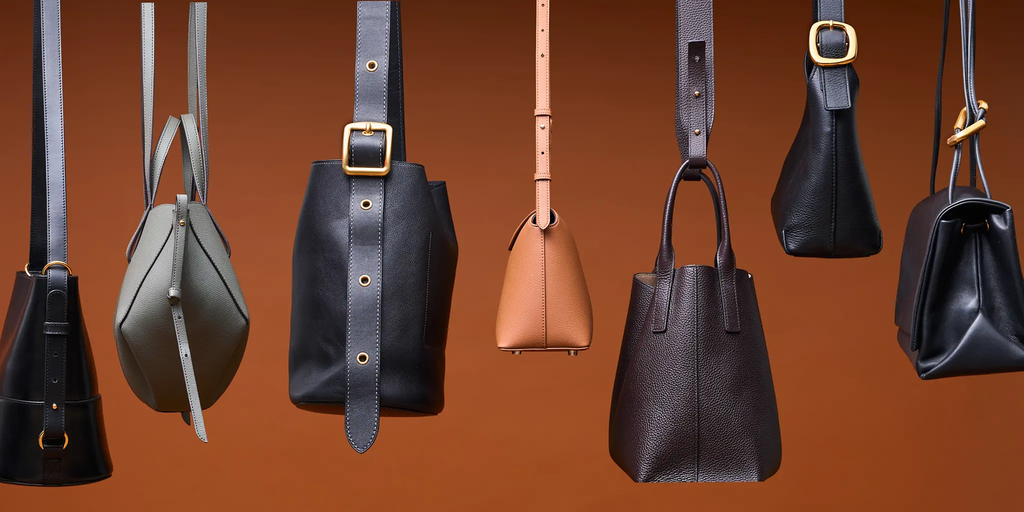
A handbag photographed on its own can be surprisingly hard to size. Shoes present a different puzzle: the color and shape might be exactly what you want, while the fit is harder to judge through a screen.
The useful details are often further down the product page. Measurements, strap options and views from different angles help you picture what an item will be like to wear. Before adding another bag or pair of shoes to your cart, work through these seven checks. They can help you choose something that fits into the way you already dress.
1. Give the purchase a specific job
Start with the occasion that brought you shopping. “A bag for weekday lunches that holds my phone, glasses and paperback” gives you a clearer starting point than “a versatile bag.” The same goes for shoes: a pair for a seated dinner has a different job from one you’ll wear on a walking commute.
Think about what happens around the main event. An evening out might include stairs, a train journey and a coat you need to carry. A work bag may have to fit inside a locker or sit beside you on a crowded bus.
Once you know the job, it becomes easier to narrow the choice. You can still choose a color or detail you love; you’ll have a practical reason for picking that particular shape.
2. Compare bag measurements with something you own
Small, medium and large are useful browsing labels, but measurements tell you more. Take a bag you already use and measure its width, height and depth. Note what fits comfortably and what you regularly leave behind.
For example, when comparing bags on DOKIBAGS, keep those measurements nearby. You’ll have a familiar reference for judging whether a compact shape suits your essentials or whether you need more room through the base.
Look at the opening, too. A bag can have generous dimensions and a narrower entrance. Check whether the photographs show the closure and interior, especially if you carry a rigid glasses case, a notebook or a larger phone.
If the size is still difficult to picture, mark the listed dimensions on a sheet of paper. Place your essentials within that outline as a rough scale check, then use the interior photographs to assess the usable space.
3. Look closely at how the bag is carried
A handle and a shoulder strap give you different ways to use a bag. Decide which one you’ll rely on most. If you usually keep your hands free, pay particular attention to the longer strap and its adjustment range.
Strap drop and total strap length describe different measurements, so check which one the listing provides. Compare it with a bag you already find comfortable. For a shoulder style, consider the extra space your winter coat needs beneath your arm.
Photographs can also help you understand the carrying options. Look for where a detachable strap connects and how the bag hangs when worn. A top handle may be lovely for carrying into dinner, while an adjustable strap may be the detail you use every weekday.
4. Read the material description beyond the product name
A glossy photograph tells you about the appearance of a surface. Read the written description to find out what the item is made from. For bags, look for information about the outer material and lining. For shoes, check the upper, lining and sole where those details are available.
Be precise about what attracts you. Perhaps it’s a soft surface, a firm silhouette or a finish that catches the light. You can then compare products on the feature you actually want.
Consider care as part of the choice. Read the item’s care guidance and think about where you’ll use it. A bag reserved for dinners has a different routine from one carried through a daily commute. If an important material detail is missing, ask the retailer before placing the order.
5. Choose shoes by measurements and shape
Keep your usual shoe size as a starting point, then follow the retailer’s measuring instructions and compare your measurements with the relevant size chart. Check the units and whether the chart refers to foot length or an internal shoe measurement.
When browsing footwear at ROSATINA, think about the shapes you already enjoy wearing. Pay attention to the toe box, the front of the shoe and the position of any straps. These details deserve as much attention as the heel.
Look through the side and top views. With slingbacks, check how the back strap adjusts. With boots, look for shaft height and calf measurements if provided. A familiar size number leaves some questions unanswered, so use the available fit information to narrow the choice.
6. Put the heel in the context of your day
Heel height is one part of the decision. Look at the heel’s shape, the sole and any platform at the front, then compare the design with shoes you already wear for similar plans.
For a long event, think through the venue. A garden reception, a restaurant dinner and an afternoon of shopping involve different surfaces and amounts of standing. Choose with the whole outing in mind.
It helps to set a personal reference. If you have a pair you comfortably wear to dinner, note its heel height and shape. Use that pair as a comparison when browsing, while remembering that a similar-looking design may fit differently.
7. Picture the purchase with actual outfits
Open a photo of an outfit you wear regularly. Imagine the bag beside it or the shoes under the hem. Look at the proportions as well as the color: a roomy bag, a cropped jacket and wide trousers create a different outline from a small shoulder bag worn with the same clothes.
Next, try a second outfit in your head. A burgundy bag might work with your gray work trousers and your weekend denim. A pair of simple pumps might suit both an evening dress and tailored pants. Specific combinations make versatility easier to judge.
Give the purchase a little room to have character, too. A bright color or an unusual clasp can be a good choice when you know how you’ll wear it. You don’t need every accessory to serve every occasion.
Before checking out, confirm the delivery estimate and return conditions for the item, particularly if you’re buying for a fixed date. When it arrives, try it with the clothes you had in mind and follow the retailer’s conditions while assessing the fit. Carry the bag with your usual essentials, or try the shoes on the permitted indoor surface. That first trial will tell you much more than another hour of scrolling.