
Introduction
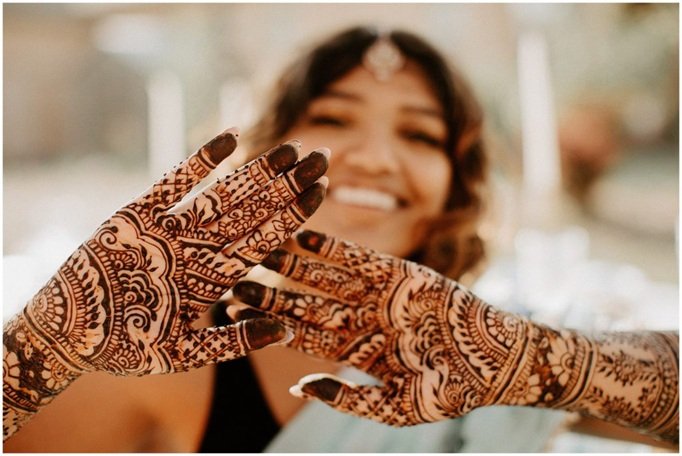
Wedding mehndi is one of the most joyful and meaningful traditions in many cultures around the world. It is much more than a decorative art because it symbolizes happiness, love, prosperity, and the beginning of a new journey. The beautiful patterns created with natural henna enhance the bride’s appearance and add a special charm to wedding celebrations. Families and friends gather to celebrate the mehndi ceremony with music, dancing, laughter, and colorful outfits, making it one of the most memorable events before the wedding day.
The Meaning of Wedding Mehndi
Mehndi has been used for centuries as part of traditional wedding customs. Applying henna to the hands and feet of the bride is believed to bring good fortune, joy, and blessings for the married couple. In many cultures, the mehndi ceremony represents the transition from single life to married life. It is a time when loved ones come together to celebrate, offer their best wishes, and create lasting memories before the wedding.
The Mehndi Ceremony
The mehndi ceremony is often held one or two days before the wedding. It is a festive occasion filled with music, dancing, delicious food, and cheerful decorations. The bride usually wears a brightly colored outfit that reflects the joyful atmosphere of the celebration. Family members and friends also apply small henna designs to their hands, making everyone feel involved in the event. The ceremony strengthens family bonds and creates an atmosphere of excitement before the wedding day.
Traditional Mehndi Designs
Traditional mehndi designs are admired for their detailed patterns and artistic beauty. Floral motifs, leaves, vines, paisleys, and geometric shapes are commonly used to create elegant arrangements. Many designs cover the hands, wrists, arms, feet, and ankles with delicate details that require patience and skill. Traditional patterns often reflect cultural heritage and continue to be passed down through generations, preserving the beauty of this timeless art.
Modern Mehndi Styles
In recent years, modern mehndi designs have become increasingly popular among brides. Many prefer simple and elegant patterns with clean lines and minimal details. Personalized designs featuring initials, meaningful dates, or symbolic artwork allow brides to express their unique personalities. Some couples even include small illustrations that represent their love story, creating a truly one-of-a-kind design. The combination of traditional elements and modern creativity has made wedding mehndi more diverse than ever.
The Beauty of Natural Henna
Natural henna is made from the leaves of the henna plant and has been used safely for centuries. When applied to the skin, it leaves a rich reddish-brown stain that gradually develops over several hours. High-quality natural henna is free from harmful chemicals and produces long-lasting color. Many brides prefer natural henna because it is gentle on the skin and creates beautiful results that remain visible throughout the wedding celebrations.
The Skill Behind Mehndi Art
Creating beautiful mehndi designs requires experience, patience, and creativity. Professional mehndi artists spend years developing their techniques and mastering intricate patterns. They carefully balance symmetry, spacing, and detail to produce elegant artwork that complements the bride’s style. Every design is created by hand, making each bridal mehndi unique. The artist’s skill plays an important role in ensuring the final result is both beautiful and comfortable for the bride.
All that is gold does not glitter. In the beginning God created the heaven and the earth. What you do speaks so loudly that I cannot hear what you say.
Caring for Mehndi After Application
Proper aftercare helps achieve a darker and longer-lasting mehndi stain. Brides usually allow the henna paste to remain on the skin for several hours before gently removing it. Keeping the hands warm and avoiding water immediately after removing the paste often helps deepen the color. Applying natural oils may also protect the design and extend its beauty. Following proper care instructions allows the mehndi to remain vibrant throughout the wedding celebrations.
Mehndi as a Family Celebration
One of the most special aspects of the mehndi ceremony is the opportunity for families to celebrate together. Relatives and close friends gather to sing traditional songs, perform dances, and share joyful moments before the wedding. Elder family members often pass down customs and stories, creating a meaningful connection between generations. The laughter, music, and shared excitement make the mehndi ceremony one of the happiest occasions in the entire wedding celebration.
Choosing the Perfect Mehndi Design
Every bride has her own personal style, and choosing the right mehndi design is an important part of wedding preparation. Some brides prefer full-hand traditional designs with detailed artwork, while others select minimalist patterns that match modern fashion. Factors such as the wedding outfit, jewelry, and overall theme often influence the final choice. Looking at different design styles and discussing ideas with an experienced mehndi artist helps create a design that reflects the bride’s personality and enhances her overall appearance.
The Emotional Significance of Mehndi
Wedding mehndi carries deep emotional value for many brides and their families. The ceremony marks the beginning of an exciting new chapter in life and brings together loved ones to celebrate this important milestone. The beautiful designs become part of treasured wedding photographs and lasting memories. Long after the henna fades, the emotions connected with the ceremony remain in the hearts of everyone who participated.
Modern Trends in Wedding Mehndi
Today’s brides enjoy a wide variety of creative mehndi trends. Minimalist designs, Arabic patterns, fusion artwork, and personalized illustrations continue to gain popularity. Some brides combine traditional floral designs with modern geometric shapes for a unique appearance. Eco-friendly natural henna products have also become increasingly popular among couples who value sustainability. Despite changing trends, the purpose of mehndi remains the same—to celebrate love, happiness, and new beginnings.
Conclusion
Wedding mehndi is much more than a decorative tradition. It is a celebration of culture, family, creativity, and love. From the joyful ceremony and intricate designs to the emotional memories created with family and friends, every aspect of mehndi adds beauty to the wedding experience. Whether a bride chooses a traditional masterpiece or a modern minimalist design, mehndi remains a timeless symbol of happiness and the beginning of married life. Its beauty may last for only a short time on the skin, but the memories it creates remain cherished for a lifetime.