
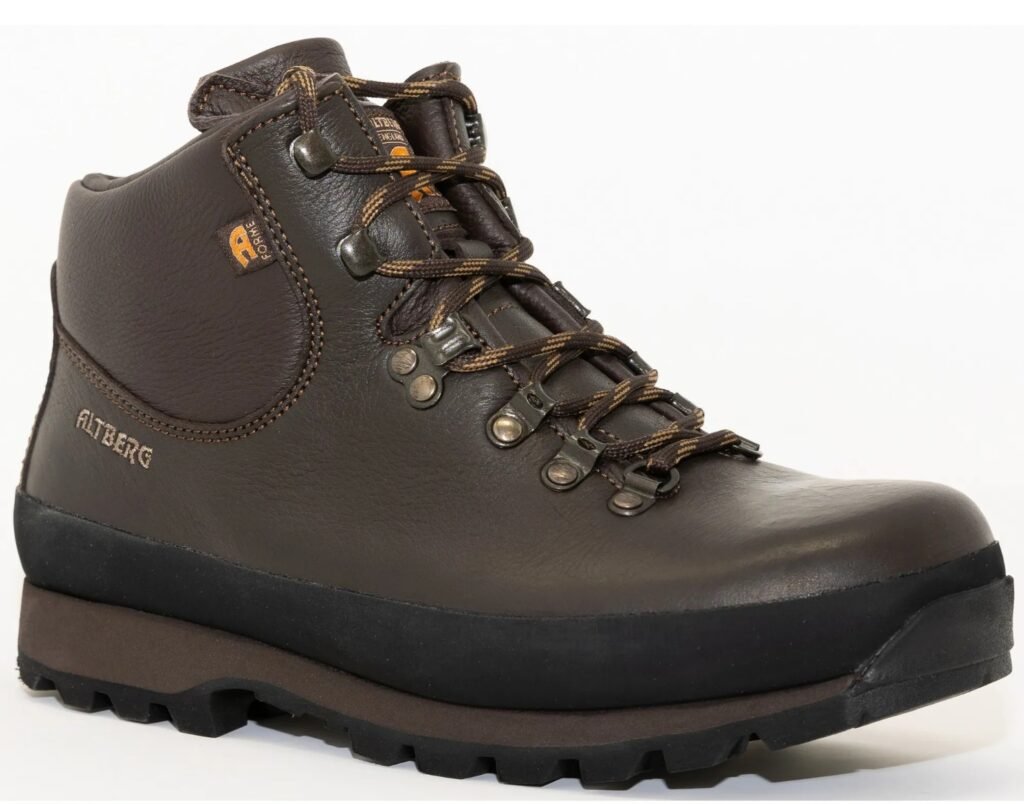
When it comes to exploring the great outdoors, having the right gear can make all the difference in comfort, protection, and performance. One of the most crucial components of your outdoor kit is a reliable pair of boots. An essential consideration for enthusiasts and professionals alike is the range of Altberg boots , renowned for their quality and durability. But what does it take for a pair of boots to be considered ‘good,’ and how can you ensure you’re making the right choice for your outdoor adventures? Let’s delve into the details that make an outdoor boot exceptional and what you should consider when selecting the pair that best suits your needs.
Understanding the Purpose of Outdoor Boots
Outdoor boots are designed to protect your feet from the elements, provide support over varied terrains, and offer durability for long treks. Whether you’re hiking in the hills, walking through dense forests, or navigating challenging mountains, the right boots play a critical role in maintaining comfort and preventing injuries. The primary function of outdoor boots is to safeguard your feet across different environments, providing both protection and stability.
Key Features of a Good Outdoor Boot
When assessing the quality of an outdoor boot, several features stand out:
- Waterproofing: Keeping your feet dry is fundamental. Good boots come with waterproof membranes or water-resistant treatments to fend off moisture.
- Breathability: While keeping water out, it’s equally essential for boots to allow sweat and heat to escape, preventing discomfort and blisters.
- Support and Stability: A sturdy sole and good ankle support are vital for navigating uneven terrain and carrying heavy loads.
- Durability: Quality materials like leather or advanced synthetics ensure the boots withstand the rigours of the wild.
- Traction: Grippy outsoles with deep lugs offer traction on mud, snow, and rocky areas, reducing slip risk.
Choosing the Proper Fit
The best outdoor boots are the ones that fit impeccably. Poorly fitting boots can lead to blisters, chafing, or even long-term foot issues. When trying on boots, consider these tips:
- Try boots on at the end of the day when your feet are slightly swollen, mimicking conditions after a long walk.
- Wear appropriate hiking socks to get an accurate gauge of fit and feel.
- Ensure there’s enough room to wiggle your toes while keeping the heel snug to avoid excessive movement.
- Walk around to test how they flex and adapt to your foot’s motion.
Material Matters
The material of your boot significantly impacts its performance. Leather boots are known for durability and protection but may require more break-in time. On the other hand, synthetic materials provide a lighter, faster-drying option but might not last as long or provide the same level of protection. Consider the typical conditions you’ll be facing and choose materials that align with those requirements.
Weighing Cost vs. Value
Investing in a high-quality pair of outdoor boots might seem costly initially, but the value lies in longevity and the protection they offer. High-end boots are often more resilient, offering features that enhance comfort and performance significantly. However, it’s important to balance your budget with the essential features you require, ensuring neither cost nor quality is compromised.
Selecting the perfect outdoor boots is a mixture of understanding your needs, the types of activities you’ll undertake, and the environments you’ll encounter. With options like those from reputable brands, ensuring they meet the key criteria for quality will set you up for many successful and enjoyable outdoor experiences. Remember, the right boots can transform your outdoor journey from a mere trek to an exceptional adventure.
Ben Austin is the founder and CEO of Absolute Digital Media, a UK-based SEO and digital marketing agency established in 2008. The agency specialises in regulated industries including iGaming SEO, financial services, legal, and healthcare, and has accumulated over 175 industry awards. Ben has 17 years of hands-on experience in technical SEO, link acquisition, and search strategy for compliance-sensitive sectors. He writes on organic search, AI-driven visibility, and LLM citation optimisation.