
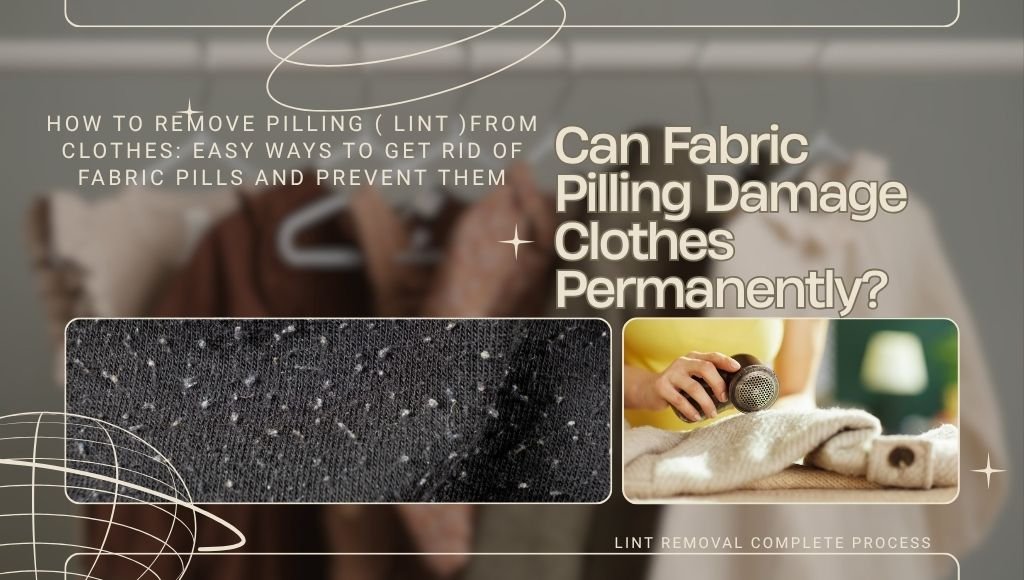
Pills on fabric is an issue that many people experience on clothes, blankets, sweaters, leggings and furniture covers. The small bumps on the surface of the cloth make clothes look old, rough and worn even if they are in good condition. The typical reasons for the occurrence of pilling are after regular washing, drying and use of the fabric. Contrary to popular belief, the only thing that really causes pilling is cheap clothes, but not all cheap clothes cause pilling. Luxury items like wool, cotton, polyester and synthetic clothing can also pill over time. Certain fabric types are more prone to pill than others due to the fabric’s composition. It is important to understand the reason behind pilling as it helps people preserve their clothes and household fabrics for a longer time. This article will provide complete information about how to remove pilling from clothes.
What is Fabric Pilling?
Fabric Pilling is the formation of small balls of tangled fabrics on the surface of the fabric, with friction and rubbing pulling the loose fibres away from the cloth, they then ball together in little balls called pills. The loose fibres become entangled and stay with the fabric, providing an uneven texture and wear to the fabric. Pilling typically occurs on clothing, blankets, sweaters and leggings covered with loose threads as well as in places where fabric rubs together (armpit, collars, sleeves, inner thighs) — like the things we sit or move around in most often. Pilling doesn’t necessarily break the fabric today, it’s more likely to give an old or unattractive appearance to clothes.
Why Fabric Pilling Happens
The main reason for fabric pilling is friction. When cloth comes into contact with another surface, over and over, some of the fibers begin to lose. These free fibers intertwine and create small balls on the fiber surface.
Friction can occur in many daily activities like:
- Washing clothes in washing machine
- Using the dryer to dry clothes.
- Walking or moving
- Carrying shoulder bags
- Sitting on sofas/ chairs
- Sleeping on bedsheets
The greater the rubbing of a fabric, the greater the chances of pilling. The other reason is the type of fibers which are used in the fabric. Other fibers are long and strong and will not break easily from the cloth.
Which Fabrics Pill Easily
Fabrics have varying responses to rubbing and laundering. There are materials that will pill more quickly than others.
Polyester
One of the most popular fabrics which pilling is polyester. Polyester fibers are strong and durable, so the pills will remain on the surface for a long period of time.
The uses of polyester are:
- Sportswear
- T-shirts
- Hoodies
- Bedsheets
- Blankets
With Polyester Pilling is a very frequent problem and it frequently blended with other materials.
Wool
After regular use, wool sweaters and winter garments tend to get fuzzy. Wool fibres are fluffy and loose and easily create pills.
Acrylic Fabric
Fabrics like Acrylic is well-known for pilling. Acrylic sweaters will feel soft and warm, but tend to become fuzzy rapidly after washing and wearing.
Cotton Blends
The pill formation is less in pure cotton than in synthetic fabrics. Cotton and polyester when mixed together make pilling significantly worse and are more likely to pill due to the polyester fibers, which maximize pill formation.
Fleece
The soft fibers of fleece blankets and sweatshirts rub off during washing and drying, making them fuzzy.
How Fabric Quality Affects Pilling
Much of a fabric’s pilling is due to its quality. Low grade fabrics have short and weak fibers. These fibres loosen up easily on rubbing and washing, leading to more pilling. Strong fibers stay attached longer and minimize fuzz. But no amount of money can overcome the ill effects of poor washing. Almost any cloth can be ruined by improper washing, excess heat and rough handling. Care of the fabric is as crucial as its quality.
How to remove pilling from clothes
Fabric pilling causes clothes, blankets and furniture fabrics to appear old and coarse. There are different fabrics that require different techniques, so it is important that you know which technique to use so that you don’t damage the fabric.
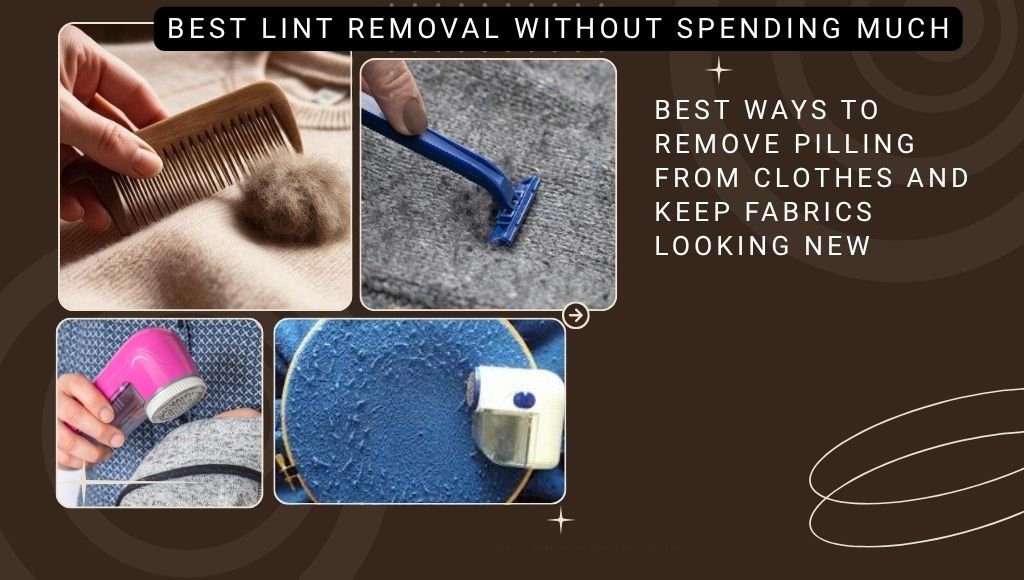
Electric Fabric Shaver
The electric fabric shaver is one of the fastest and most effective devices for the removal of pilling from fabrics. It is specially designed to snip away fuzzy balls, without harming the fabric underlying them. This is an effective way to process large areas and also time-saving for many. Use it correctly by laying the article on a flat surface, gently stretching the fabric and slowly shaving it on the surface. Regularly empty the lint container to get a better performance from the machine. Useful on sweaters, hoodies, blankets, T-shirts, leggings and sofa covers. Safe for most everyday fabrics and fast acting.
Disposable Razor Method
Fabric pills can also be easily and cheaply removed at home with the help of a disposable razor. The razor gently removes the fuzz from the surface of fabric, and assists in making garments feel smoother. To be safe, lay the garment on the floor, hold the fabric tight, and shave gently in one direction, rather than pressing down too hard. This is the best way to use it for cotton clothing, sweatshirts, polyester fabrics and bulky T-shirts. But it is not advisable to use razors on delicate materials such as silk or thin cashmere as they might cause holes or tears.
Sweater Comb
A sweater comb is a specialized type of comb that is created for delicate knit clothes or wool clothes. Gentle pill remover without harming soft fibers, which makes it safer to use for costly winter clothing. The comb is designed to gently remove the fuzz from the surface. It works well on wool sweaters, cashmere, merino wool and soft knitwear. A sweater comb is useful to keep delicate garments smooth and neat for long periods of time if used regularly.
Pumice Stone Method
A pumice stone or sweater stone can be used for thick fabrics that have a lot of fuzz. It can help ease and slip pills off the fabric’s surface when brushed gently in one direction. Once applied, the stone should be carefully cleaned with the removal of the loose fuzz. Heavy sweaters, wool blankets, fleece jackets and other winter clothes work well with this method. On thin or delicate materials, use of pumice stones should be avoided, however, as they could damage soft fibers.
Lint Roller Method
Use a lint roller to pick up loose fibers, lint or light fuzz from fabrics. It will not completely get rid of deep pills, but it sure does work after shaving or combing fabric. Slowly rolling it over the surface of the fabric will remove any leftover fuzz and will make clothes look cleaner. You would roll around the light aromatic lint on T shirts, jackets, sofa covers, blankets and bed sheets. The best results are when you use this product as a final step after cleaning the pills with other pilling removal tools.
Small Scissors Method
If larger pills still cling to the fabric surface, grab small scissors and carefully cut them out.. This is the ideal technique for areas where there is a lot of fuzz buildup, but only in small areas, it takes longer. And only cut the pills, not the fabric. Never try to pull the pills yourself using as this can both weaken the fabric or damage them. If you take care, getting those little fluff balls off of sheer fabrics and large knit sweaters is harmless.
Washing Sponge Method
Even the roughened surface of a clean washing sponge can avoid delicate cloths, on occasion, be useful in getting rid of loose fuzz on thicker fabrics. To lift pills off the fabric surface, rub in one direction gently. It is most effective on tough fabrics. You can’t apply it to high-end fabric since, when you rub on the surface, its soft filaments may be damaged or worse even broken.
Tape Method
Sticky tape is a rapid, simple solution for you if you want to remove loose pills and very light fuzz from the fabric surface. Wind the tape around his hand with sticky side out and then press against the fabric themselves. These fibers will stick on the tape, so it’s a handy way to get rid of them before you wear your clothes when there is no lint roller nearby.
Professional Fabric Cleaning
If these kinds of cloth is delicate or expensive, expert fabric cleaning may be the most secure choice. Typically dry cleaners have specialized tools and methods of removing pilling that will not damage the fabric. If you have a luxury wool coat, cashmere sweater, designer clothes or delicate knitted fabric at home — these are best reserved for professional cleaning. Professional cleaning is more expensive, but it protects the clothes and prolongs a new appearance of fabrics.
How To Prevent Fabric Pilling
- Wash Clothes Inside Out
- Use Gentle Wash Cycles
- Remove rough and soft fabrics from each other
- Use Liquid Detergent
- Avoid High Heat
- Air Dry Clothes
- Fasten Zippers And Buttons
- Don’t over fill the washing machine
Why Synthetic Fabrics Pill More
Natural fabrics tend to pill less than synthetic fabrics such as polyester, acrylic and nylon as they are very strong, durable and pill. If loose fibers accumulate on the surface of the fabric, they tend to stay there for a long time, and will not fall off easily. These fibres get entangled and form small bumps that look like pills. Natural fabrics can also pill, however the weaker fibers in the fabric tend to work loose over time. Pilling is very frequent in products that are most often made with synthetic materials as they are used in sportswear, sweaters, blankets or mixed fabrics.
Common errors that make pilling more likely
- Washing clothes too often,
- In dryers, high heat is used to dry the materials.
- Overloading washing machine
- Scrubbing stains aggressively
- Using harsh detergents
- Leaving clothes to dry for too long.
- Or washing clothes with open zippers/buttons.
- Handling soft materials with coarse materials
- Failure to follow fabric care directions
- Having clothes in crowded closets
- Causing fabrics to rub continually together.
Is it possible to completely remove the occurrence of pilling on fabric?
It is difficult to effectively prevent fabric pilling because friction is experienced during everyday use of most types of fabric. Clothes rub on body, furniture, bags, washing machines and other clothes regularly and the textiles lose fibres over time. When fabrics rub together too much, get washed too hard with hot water or dried at a high temperature, even of the highest quality yarns can form some pilling. But with proper care of the clothes, it’s possible to minimize the issue, and make clothes stay smooth for a considerably longer time.
Educating people about washing clothes inside out, using gentle wash cycles, separating rough and soft fabrics and avoiding overloading the washing machine are simple habits which can significantly reduce friction.When you air dry clothes, fabrics are less likely to suffer heat damage on top of just circling back on drying. Careful folding of sweaters and not having too many in the same closet will minimise rubbing of sweaters with each other.
Are Expensive Clothes Safe From Pilling?
More expensive clothes tend to use more premium materials that contain longer, stronger and tighter fibers, reducing the risk of pilling. Frequently premium fabrications do not develop fuzz as much as poor fabrications do due to their softer, smoother and more durable nature. But, fine clothes do not always keep off pilling even with the higher price. Even luxury fabrics such as wool, cashmere or blends can pill if they are subjected to too much friction, rubbing, or washing incorrectly. Jackets over sweaters, shoulder bags, machine drying fine fabrics or washing clothes roughly can damage the fibers of high quality fabrics, causing fuzz.
Conclusion
Pilling is a very common issue that often happens with many fabrics, such as clothing and fabrics used for the home. It’s a hassle to remove those tiny fuzzy balls, but it can be done easily with the correct tools and techniques. Some of the best tools for removing pills safely are electric fabric shavers, sweater combs, razors, lint rollers and pumice stones. The best way to deal with pilling is prevention. Damage to fabrics can be significantly minimized by washing inside out, as well as separating rough fabrics, using gentle wash cycles, avoiding high heat and air drying garments. With this knowledge of the way the various fabrics respond to rubbing people can make the best decisions about the safest care.
Clothing, blankets and fabrics for furniture can hold their shape, cleanliness and freshness for far longer if the correct washing techniques are adopted and products are handled carefully.
FAQs : Cloth Pilling
Fabric pilling occurs due to rubbing and friction. The loose fibres create small fuzzy balls on the surface of the fabric.
Fabric pilling can be treated with a variety of methods, such as using fabric shavers, sweater combs, razors or lint removers.
Fibers such as synthetic, acrylic, fleece, loose knits, wool and blended fabrics tend to pill more than other fabrics.
Yes, rough washing cycles, hot temperatures and overloading the washing machine can cause more pilling.
To minimize pilling, wash clothes inside out, take out rough surface fabrics, air dry clothes on gentle cycles and use.